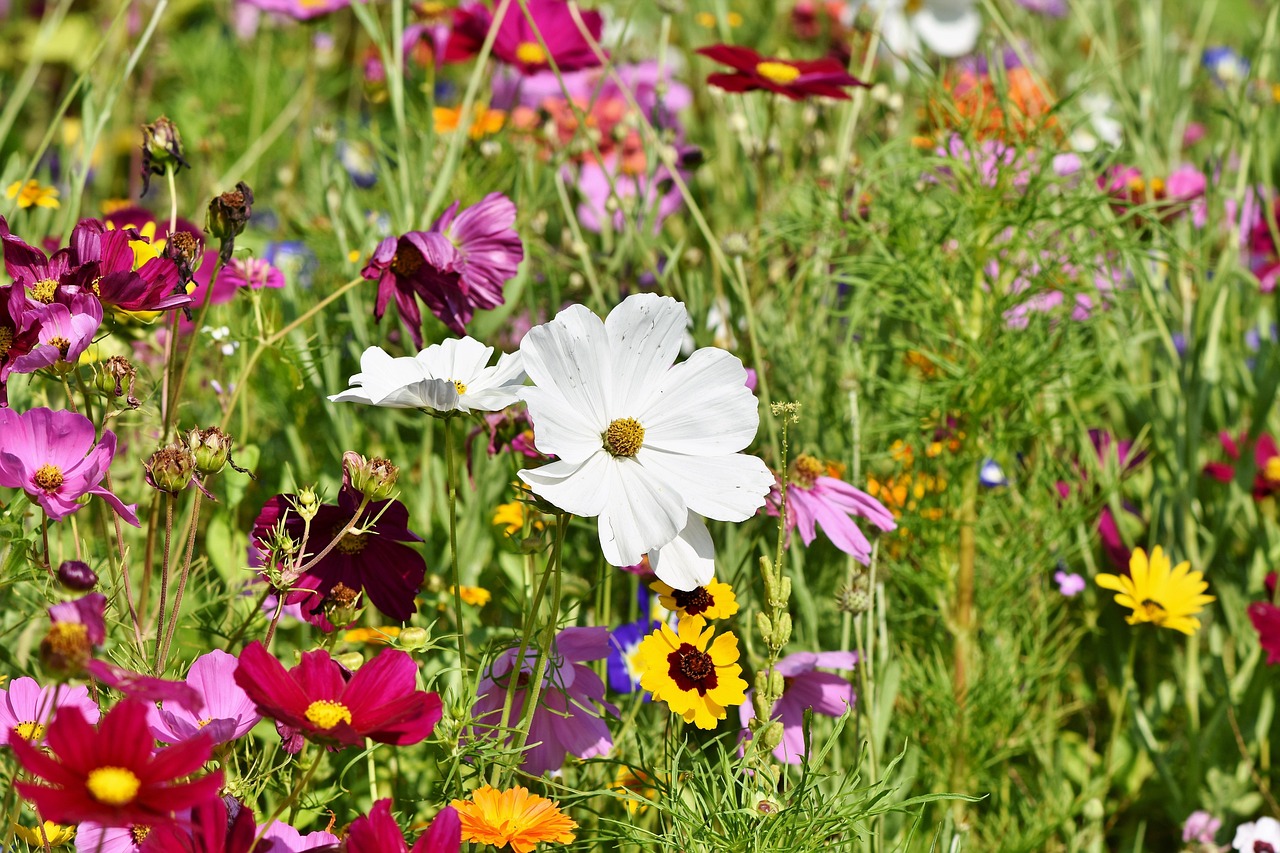
I was showing a gardening friend around my garden one day when she asked me, “How do you keep your flowers blooming all summer? Mine bloom and then die. What’s your secret?” I replied that I deadhead them, and she asked what that meant.
What Does Deadheading Mean?
Deadheading is a term that predates the Grateful Dead and their fans. I learned it as child from my mother who was a great gardener. She said that removing dead or dying flowers from a plant made it bloom more. For years I thought that was the horticultural equivalent of an urban legend. When I took the Master Gardener course I discovered that it is grounded in science. Removing dead or dying flowers from annual plants really does force the plants to bloom more.
To deadhead a plant means removing the dead or dying flowers from it before they produce seed. Besides making the plants look neater, it forces them to produce more flowers so that the plants can make seeds and reproduce.
Why Should You Deadhead Your Flowers?
To understand why, you need to know a little about herbaceous (non-woody) plants. They come in three varieties: annuals, perennials and biennials.

Annuals are plants that have a lifespan of one season. They grow, flower, set seed and die within one growing season. Good examples are marigolds and zinnias.
A biennial is a plant whose lifecycle lasts two seasons. The first season, it grows and establishes its foliage. The second year, it blooms, makes seeds and then dies. Foxgloves are popular biennials.
A perennial is a plant that lasts many years, usually 5 to 9. It reproduces both by seed and by shoots (new plants that grow from the mother plant) or runners (a type of stem that grows along or under the ground and produces new plants along its length). Delphiniums and Shasta daisies are perennials.

Deadheading only works well on annuals. That’s because when they bloom, if you remove the dead flower before it makes seeds, the plant will try to make seeds again by creating another flower. Remember, their mission in life is to make seeds and die in one year. Removing spent flowers prevents them from doing that. They will continue to make flowers until you allow them to go to seed or the frost kills them.
Deadheading biennials doesn’t work. If you remove the dead or dying flowers during the second year, the plants don’t have the energy to produce more flowers nor do they have enough time to produce more flowers before the weather becomes either too hot for them if they are spring flowers like foxgloves or too cold for them in the fall if they are summer flowers like hollyhocks.

Perennials only bloom once a year for a few weeks during the growing season. Deadheading them will not prolong the brief bloomtime. They will not bloom again until the following year. This is why many gardeners prefer annuals which will bloom all summer if they are deadheaded regularly. Recently, plant breeders have produced what they call “rebloomers”, perennial plants that will bloom a second time during the summer. Be warned that at best, the second flush of flowers will not be as full as the first burst of flowers. Sometimes you will only get a few flowers the second time.
How to Save Seed Using Deadheading
I grow most of my annuals from seed, so I like to save seeds from my flowers each year for planting the following year. I deadhead them all summer and stop after Labor Day (I’m in New Jersey, zone 6) allowing them to go to seed which I then collect for next year or allow to fall naturally into the garden where they will germinate in the spring. Seed saving is an entire topic by itself, so all that I will say about it here is that seed saving only works on OP or open pollinated plants, not the popular hybrids that you buy from the nursery. That’s because when a plant is hybridized, it is a cross of two varieties. If you recall your high school biology, you will know that the resulting plants will have a mix of genetic material from the parents that has been scrambled. The plants that you get from seeds collected from hybrid plants will look nothing like the plants from which you collected the seeds thanks to the scrambled DNA. Some hybrids even produce sterile seeds so collecting that seed is a waste. It will never germinate.
Leave a Reply