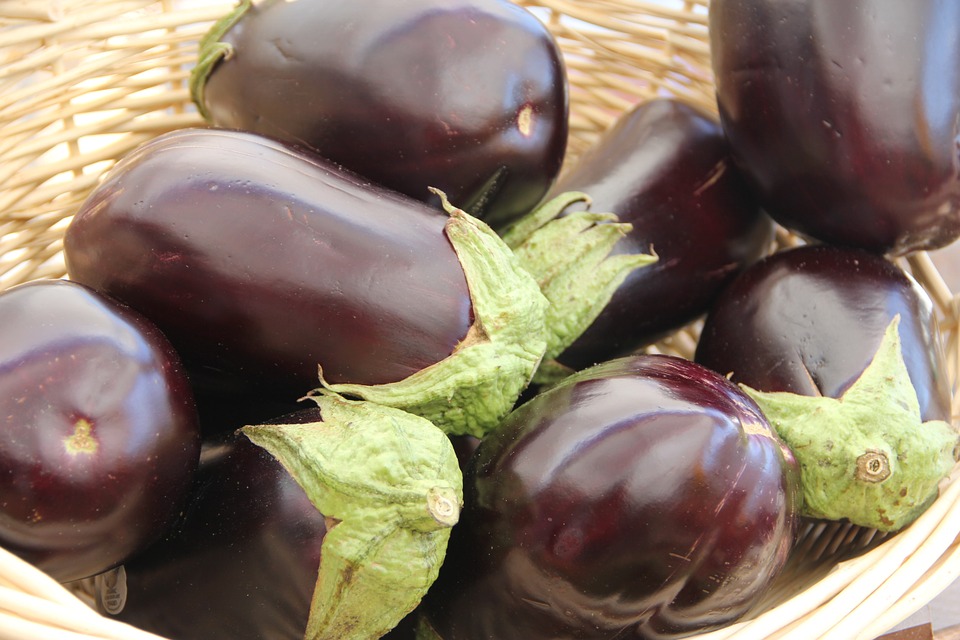
I wanted to grow Pumpkin on a Stick thinking that it was some kind of pumpkin. Imagine my surprise to discover that it is actually an eggplant!
What are Eggplants?

Eggplants (Solanum melongena) are tropical perennial vegetables which are grown as annuals in most areas of the US. They are thought to have originated in India. The eggplant itself is a berry which can grow as large as 12 inches in length. Most are purple, but there are white cultivars grown in the West that are often referred to as Easter White Eggplants or Garden Eggs. They are small, about the size of a chicken egg. Asian varieties come in a myriad of sizes. They can be purple or green or yellow or white and weigh up to 2 pounds.

The plants themselves can be quite large, up to 5 feet tall. They are thorny with large lobed leaves. The flowers can be white or purple. The flowers contain both male and female parts so they can self-pollinate or cross-pollinate.

Please note that the plants are members of the nightshade family and therefore are poisonous, although the fruit is not. The leaves and flowers contain solanine, a poison, which protects the plants from pests. If you eat eggplant leaves or flowers, you may experience intestinal distress such as abdominal pain, vomiting and diarrhea. Larger amounts of the poison has been known to cause fevers, paralysis and even death.
Why is Eggplant so Popular?
Raw eggplant is bitter. When cooked, however, it develops flavor. It also has the ability to absorb the flavors of the food it is being cooked with. It can be used in any cuisine. Eggplant is popular in vegetarian and vegan dishes as a meat substitute. It also doesn’t need to be seeded before cooking because the seeds are soft and not noticeable when eating. Finally, even the skin is edible. The only part of the fruit that cannot be eaten is the green stem and calyx on top. The should be removed before cooking.
How to Grow Eggplant
Eggplant is a tropical plant so it requires warm soil and hot weather. In my zone 6 New Jersey garden, I wait to plant my tropical vegetable plants and seeds outdoors until the last week in May or first week in June when both the soil and the night time temperatures have warmed. Raised beds and containers are also great places to grow tropical vegetables such as eggplants. The soil in both is significantly warmer than the soil in your garden. Because these are large plants, in your garden, plant them at least 24 inches apart. In containers, plant one plant per 18 or 24 inch container.
Add compost to the bottom of each planting hole, then fertilize every two weeks with a balanced fertilizer such as 10-10-10 during the growing season.
The fruit on the plants will be very heavy so the plants tend to fall over. To prevent this, you want to stake them. The best way to stake your plants is to place the stake when you plant the plant. This way, when the plants are large enough to need a stake, you won’t disturb the roots trying to drive a stake into the ground. Do it ahead of time as you would with dahlias.
Eggplant require 1 to 2 inches of water each week. Consistency is key. If you water inconsistently, the fruit will be bitter. Drip irrigation or soaker hoses on a timer are a great way to ensure that your eggplant get watered the same amount each week.
How to Grow Eggplant From Seed
Eggplants are tropical plants so they have a long growing season, much longer than the growing season outside of the tropics. Most gardeners start their seeds indoors about 8 weeks before their last frost date. The seeds need a warm environment (75⁰F) and warm soil to germinate. Plant them 1/4-inch deep and use a heat mat to keep the soil warm. Germination should occur in 1 to 2 weeks. Transplant your seedlings outdoors after your last frost when night time temperatures are consistently above 50⁰F and your seedlings are 3 to 4 inches tall. Plant them at least 24 inches apart and insert a stake with each one to support the plants when they begin to bear fruit.
How to Harvest Eggplant
It’s easy to tell when eggplant is ready to harvest. Gently press your finger into the fruit. If it is firm instead of soft, it is ripe and ready to harvest. Cut the fruit away from the plants with a sharp knife or pruners. Don’t try to pull it off the plant. That will damage both the plant and the fruit. Be sure to leave a little piece of the stem attached to the fruit as you would for pumpkins.
How to Store Eggplant
If you don’t plan on using it right away, freshly harvested eggplant can be stored in the refrigerator for 2 to 3 days. You can also store it for up to 2 weeks in a cool, humid place such as a root cellar.
Leave a Reply