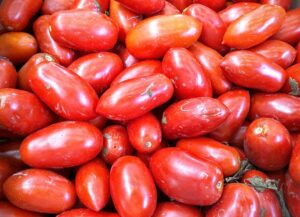
San Marzano Tomatoes – San Marzano tomatoes are an heirloom favorite that is the preferred tomato for cooking.
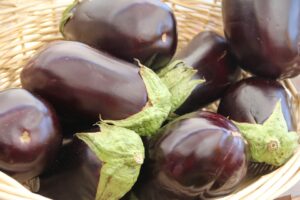
Eggplant – Eggplants are a tropical berry that are grown around the world and used in many cuisines.
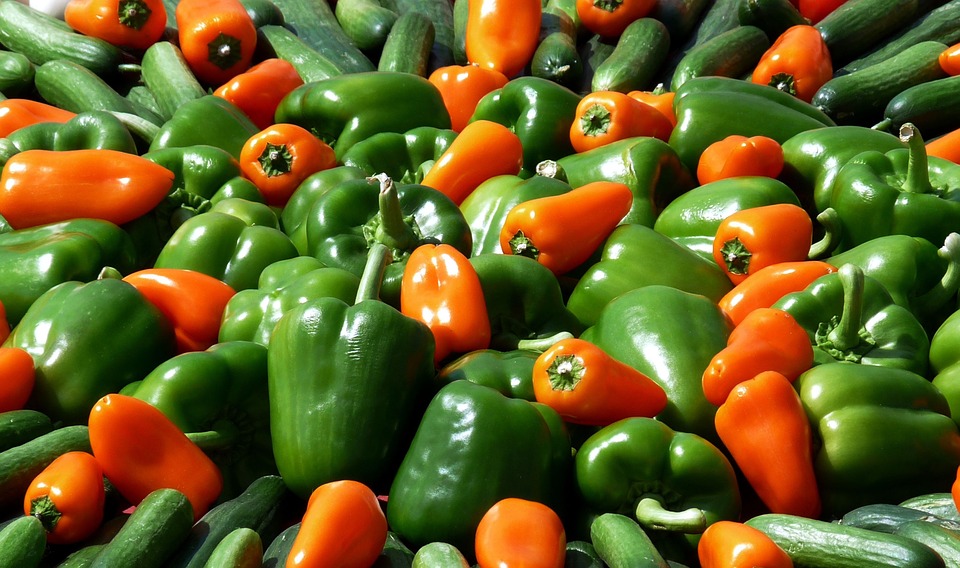
Peppers – Hot or sweet or in between, all pepper plants are grown the same. They need a lot of heat and a lot of sunlight.
Around the Yard
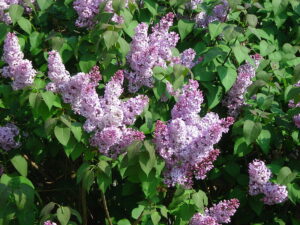
Lilac – Lilacs are an easy-care, long-lived plant with colorful fragrant flowers.
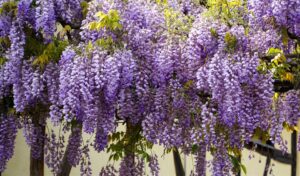
Wisteria – Wisteria is a flowering bine that can be become invasive. Choose one of the native species so that you can enjoy the beautiful springtime flowers without worrying that it will take over your garden.
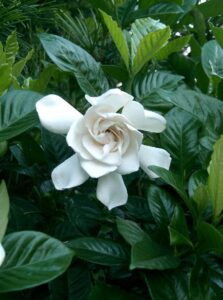
Gardenias – Gardenias are small trees that are grown for their fragrant flowers. With a little care, you can grow them outdoors in warm climates or indoors as houseplants in colder climates.
On the Windowsill
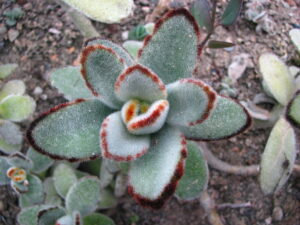
Chocolate Soldier Plant – Chocolate soldier plants are fuzzy succulents with “chocolate” edging on their leaves.
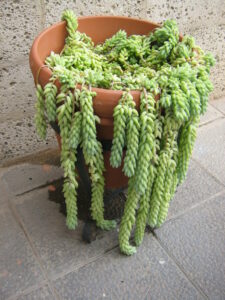
Burro’s Tail– Burro’s Tail is a succulent that drapes over the sides of your containers.
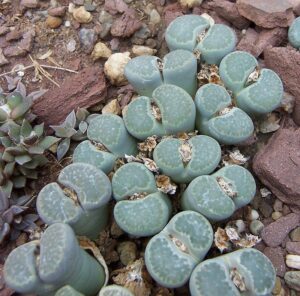
Lithops – Lithops are small succulent-like plants that thrive on neglect. If you tend to forget to water, lithops are for you.
Gardening Tips
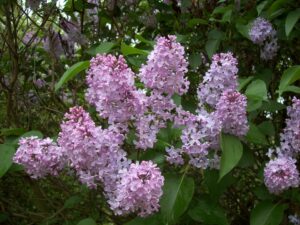
Why Do Lilacs Stop Blooming?– There are several reasons why lilacs stop blooming, most of them easily correctable.
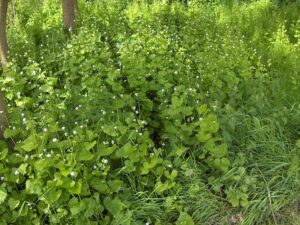
How to Get Rid of Garlic Mustard – Garlic mustard is an invasive weed that rapidly crowds out native plants and tree seedlings. It has no natural enemies in North America.
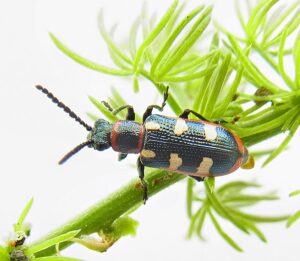
How to Get Rid of Asparagus Beetles – Asparagus beetles can destroy your asparagus patch in a single season. Using a combination of beneficial insects, neem oil and good gardening techniques, you can limit the ravages of these pests.